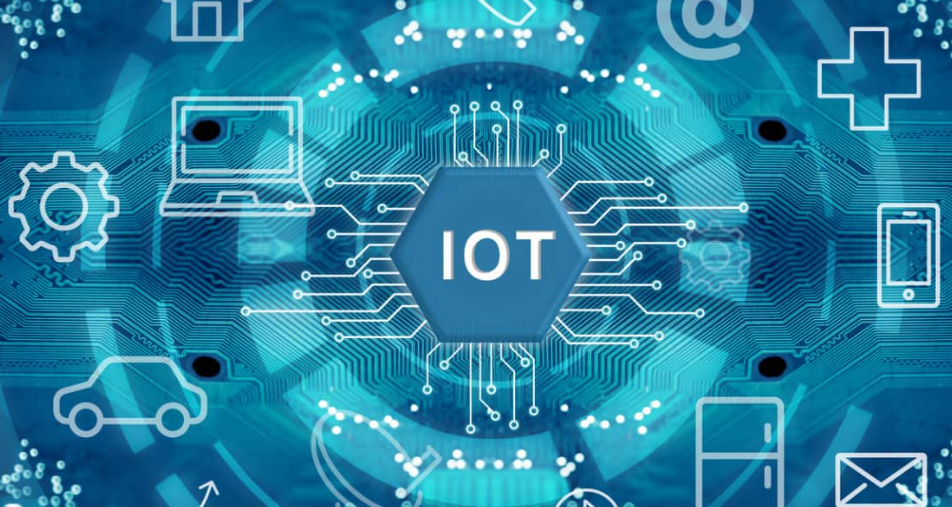
The Internet of Things (IoT) represents a significant shift in how devices interact and communicate. This interconnected network enables devices to collect and exchange data seamlessly, enhancing efficiency and control across various sectors. From smart homes to industrial applications, IoT is reshaping everyday life and business operations. However, the implications of this technological evolution extend beyond convenience, raising questions about security, privacy, and future innovations. What lies ahead in this rapidly evolving landscape?
Understanding the Basics of IoT
Although the concept of the Internet of Things (IoT) has gained significant traction in recent years, its fundamental principles remain essential for understanding its impact on various industries.
Central to IoT is its architecture, which facilitates communication between devices. Sensor networks play a crucial role, collecting data and enabling real-time insights, ultimately enhancing operational efficiency and empowering users with greater control over their environments.
See also: wolniturfpmu
Key Components of the Internet of Things
The Internet of Things (IoT) comprises several key components that work in unison to create a connected ecosystem.
Central to this framework are sensors technology, which collect and transmit data from the environment, and connectivity protocols, facilitating communication between devices.
Together, these elements enable seamless interaction, enhancing efficiency and fostering innovation, ultimately supporting a more liberated approach to technology and information sharing.
Applications of IoT in Everyday Life
Incorporating the key components of IoT, various applications are emerging in everyday life, transforming how individuals interact with their environment.
Smart appliances streamline household tasks, enhancing convenience and efficiency.
Meanwhile, wearable technology empowers users to monitor health metrics and fitness levels, fostering a proactive approach to well-being.
Together, these innovations promote a more connected and liberated lifestyle, offering individuals greater autonomy over their daily routines.
The Future of IoT and Its Impact on Industries
As industries increasingly embrace the Internet of Things (IoT), significant transformations are anticipated in operational efficiency and decision-making processes.
The rise of smart cities will enhance urban living, while industrial automation will streamline manufacturing and logistics.
These advancements promise to reduce costs, improve resource management, and foster innovation, ultimately reshaping economic landscapes and empowering businesses to thrive in a competitive environment.
Conclusion
In the ever-evolving tapestry of technology, the Internet of Things weaves together a rich fabric of connectivity and innovation. As devices communicate seamlessly like a symphony, they orchestrate a future where efficiency reigns and possibilities unfurl. From smart homes that respond to their inhabitants to industries transformed by data-driven insights, IoT stands as a beacon of progress. Its growing influence promises to illuminate paths towards smarter living and enhanced decision-making, shaping the landscape of tomorrow’s world.