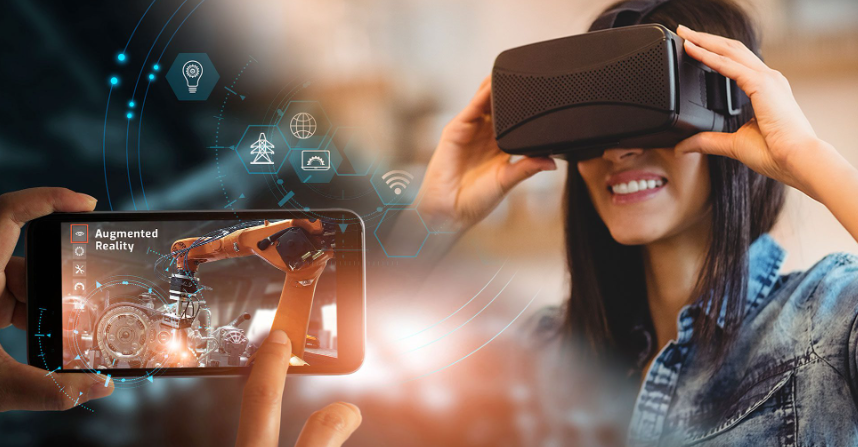
Virtual Reality (VR) represents a significant advancement in technology, enabling users to immerse themselves in simulated environments. Through the use of specialized hardware, such as headsets and motion sensors, VR creates an interactive experience that mimics real-life interactions. This innovation has found its place in various fields, from gaming to education. However, its potential applications extend far beyond what is currently visible, prompting questions about its future impact and evolution in society.
The Basics of Virtual Reality
Virtual reality (VR) represents a transformative leap in how individuals interact with digital environments.
By creating immersive experiences, VR enables users to escape the confines of reality, engaging their senses in unprecedented ways.
Sensory feedback enhances this interaction, allowing users to feel as though they are truly present within these virtual worlds.
This technology not only entertains but also expands horizons for personal exploration and creativity.
See also: wolniturfpmu
How VR Works
Immersive experiences in virtual reality are made possible through a combination of advanced technologies working in unison.
Essential hardware components, including headsets and motion sensors, create a simulated environment. By delivering sensory feedback, such as haptic responses and spatial audio, VR engages users fully, allowing them to interact with digital worlds as if they were real.
This engagement enhances the sense of freedom and exploration.
Applications of Virtual Reality
The versatility of virtual reality has led to its adoption across numerous sectors, transforming traditional practices and enhancing user experiences.
In gaming, VR creates immersive gaming experiences that captivate players, while in education, it serves as innovative educational tools that facilitate interactive learning.
This technology empowers users, fostering creativity and exploration, and redefining how individuals engage with content in diverse environments.
The Future of Virtual Reality
How will advancements in technology shape the future of virtual reality? As innovations emerge, VR is poised to deliver even more immersive experiences, transcending traditional boundaries.
Enhanced graphics, haptic feedback, and artificial intelligence will create dynamic environments, allowing users to interact in unprecedented ways.
These technological advancements will not only enrich entertainment but also revolutionize education, training, and social connections, fostering a deeper sense of freedom and exploration.
Conclusion
As the sun sets on traditional interactions, virtual reality emerges as a vibrant dawn, painting new horizons of possibility. This captivating technology beckons users to step through the looking glass, where imagination dances with reality. With each advancement, VR promises to deepen engagement and redefine experiences, inviting individuals to explore uncharted realms. As its applications expand, the future glimmers with potential, illuminating pathways for creativity, learning, and connection that were once confined to the realm of dreams.